Speech therapy for toddlers can help young children build the communication skills they use during play, meals, books, family routines, and interactions with other people. Therapy is most useful when it is based on a pediatric evaluation and gives parents practical strategies they can use throughout the week.
A toddler may be referred because they use few words, have difficulty understanding language, rely heavily on gestures, become frustrated when communicating, or are hard for familiar adults to understand. Some children are late talkers, while others have broader speech, language, developmental, hearing, or social-communication needs that should be evaluated individually.
1. Toddler Speech Therapy Uses Play and Daily Routines
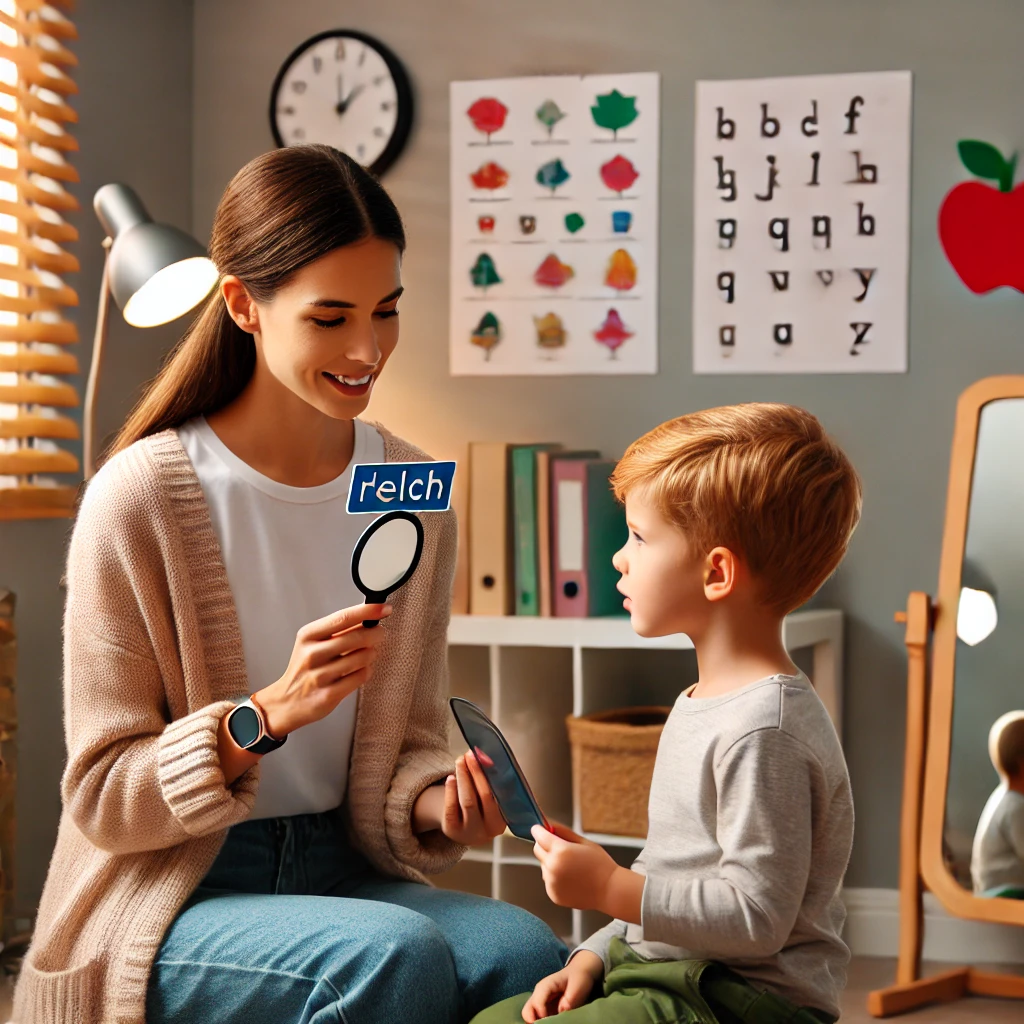
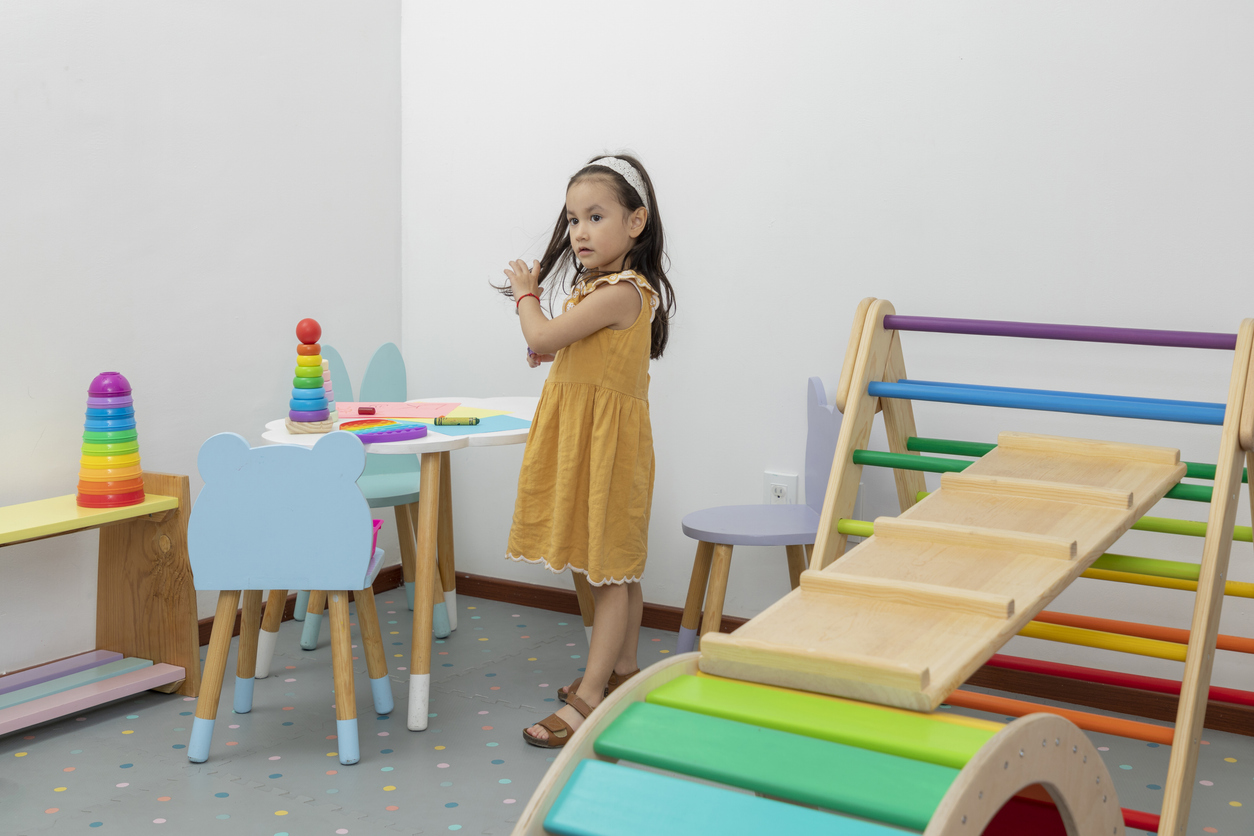
Toddlers learn through play, movement, repetition, and interaction. A pediatric speech-language pathologist can use toys, books, songs, turn-taking, and familiar routines to work on communication without expecting a young child to sit through adult-style drills.
Depending on the child’s needs, play-based speech therapy may target gestures, imitation, vocabulary, understanding directions, combining words, speech sounds, requesting, commenting, or taking turns.
2. Therapy Gives Parents Practical Communication Strategies
Parents spend far more time with a toddler than a therapist does. For that reason, toddler speech therapy often includes parent coaching. A speech-language pathologist may show families how to model words, expand what the child says, create communication opportunities, pause for a response, and follow the child’s interests.
These strategies can be used naturally during snacks, bath time, getting dressed, reading, and play. The goal is not to turn every moment into a test, but to make everyday communication easier and more meaningful.
3. Goals Are Based on the Child’s Current Skills
Effective therapy does not use the same plan for every toddler. A child who understands language but uses few words may need different goals from a child who also has difficulty following directions or engaging with other people.
A pediatric speech and language evaluation may look at:
- How the child communicates wants and needs
- Use of gestures, sounds, words, and word combinations
- Understanding of familiar words and directions
- Play and interaction skills
- Speech clarity and sound development
- Communication across home, daycare, and other settings
4. Early Support Can Reduce Everyday Communication Frustration
When a toddler cannot easily understand others or express what they want, daily routines can become frustrating. Therapy can provide the child and family with clearer ways to communicate while spoken language develops. This may include gestures, pictures, signs, spoken words, or other appropriate communication supports.
Using supportive communication methods does not prevent speech development. The speech-language pathologist selects strategies based on the child’s abilities and functional needs.
5. Progress Is Practiced Beyond the Therapy Room
A toddler may first use a new skill during a therapy activity and later begin using it with parents, siblings, teachers, or other children. Therapy works toward this carryover by practicing communication in different activities and helping caregivers reinforce the same goals in daily life.
Progress may include more communication attempts, improved understanding, new words, longer phrases, clearer speech, better turn-taking, or less frustration. The exact signs of progress depend on the child’s starting point and therapy goals.
Does My Toddler Need Speech Therapy?
A single sign does not confirm that a toddler needs therapy. Consider requesting an evaluation when you are concerned about any of the following:
- Few words or limited growth in vocabulary
- Difficulty understanding familiar words or simple directions
- Limited use of gestures such as pointing, showing, or waving
- Frequent frustration because the child cannot communicate clearly
- Loss of previously used words or communication skills
- Speech that is difficult for familiar caregivers to understand
- Concerns raised by a pediatrician, teacher, daycare provider, or family member
Loss of skills should be discussed promptly with the child’s healthcare provider. A hearing check may also be recommended because hearing can affect speech and language development.
What Happens During Toddler Speech Therapy?
The first step is usually an evaluation and parent interview. The therapist learns about the toddler’s communication history, health and developmental information, languages used at home, daily routines, and the family’s main concerns. The child is then observed during age-appropriate activities.
If therapy is recommended, the plan may include direct play-based sessions, parent coaching, home strategies, and periodic progress reviews. Goals should be functional, measurable, and appropriate for the child’s age and communication needs.
How Long Does Speech Therapy Take for a Toddler?
There is no fixed timeline. Some toddlers receive support for a few months, while others need therapy for a year or longer. Duration depends on the type and severity of the delay, the child’s overall development, attendance, practice opportunities, and how consistently skills carry over into daily life.
Read our detailed guide on how long speech therapy may take for a child for typical stages, factors, and progress signs.
Can Speech Therapy Help a Late Talker?
Speech therapy can help some late talkers build vocabulary, combine words, improve understanding, and communicate more effectively. However, “late talker” is a description rather than a complete diagnosis. An evaluation helps determine whether the child mainly has delayed expressive language or also needs support with comprehension, speech sounds, social communication, hearing, or other developmental areas.
Frequently Asked Questions About Toddler Speech Therapy
What age can a toddler start speech therapy?
A child can be evaluated whenever a parent, pediatrician, or caregiver has a concern. Families do not need to wait until the child reaches school age or becomes severely frustrated.
What does speech therapy look like for a 2-year-old?
Sessions are usually play-based and may include parent participation. The therapist may work on gestures, imitation, understanding, functional words, word combinations, play, turn-taking, or speech sounds depending on the evaluation.
How often will my toddler need therapy?
The recommended frequency is individualized. It depends on the evaluation, therapy goals, the child’s participation, scheduling, and other clinical considerations.
Is toddler speech therapy only for children who do not talk?
No. Toddlers may also need help understanding language, using words together, producing speech sounds, communicating socially, or reducing frustration during everyday interactions.
Where can I find toddler speech therapy near me in Los Angeles?
LA Speech Therapy Solutions provides pediatric evaluations and therapy at locations serving Silver Lake, South Los Angeles, North Hollywood, and San Gabriel Valley. Families can choose the most appropriate location when scheduling.
Concerned about your toddler’s speech or language development? Contact LA Speech Therapy Solutions to schedule a pediatric evaluation or call 323.522.6071.